Back to Index

Fabricated Territories

// materials
Mixed media
// Date
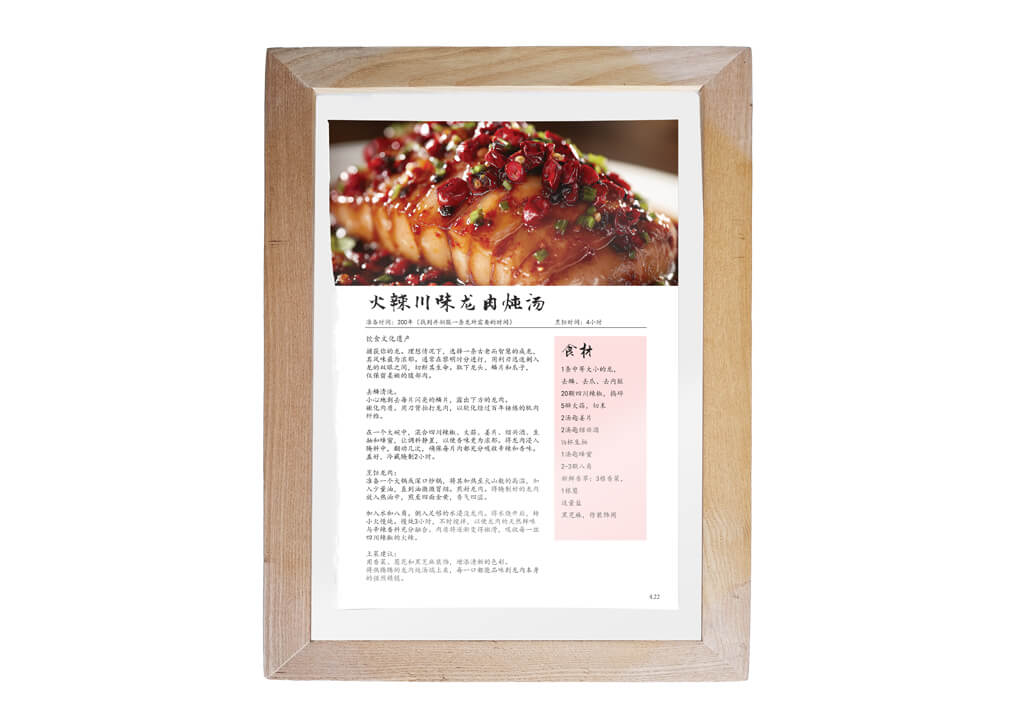
These three instances move through invented land, symbolic consumption, and cultural passage. Study of Perspective presents territory as an artificial image. White Rabbit uses a familiar sweet wrapper as a real-world residue of memory, labor, and crossing. 火辣川味龙肉炖汤 turns the national myth of the dragon into a recipe, placing sovereignty, appetite, and satire inside the format of domestic instruction. Together, they extend ZhouKe into a field where cultural reality is assembled through image, taste, memory, rumor, and belief. The works do not describe China directly. They move through its signs, its ghosts, its habits of representation, and its capacity to appear as both real place and mythic construction.
White Rabbit
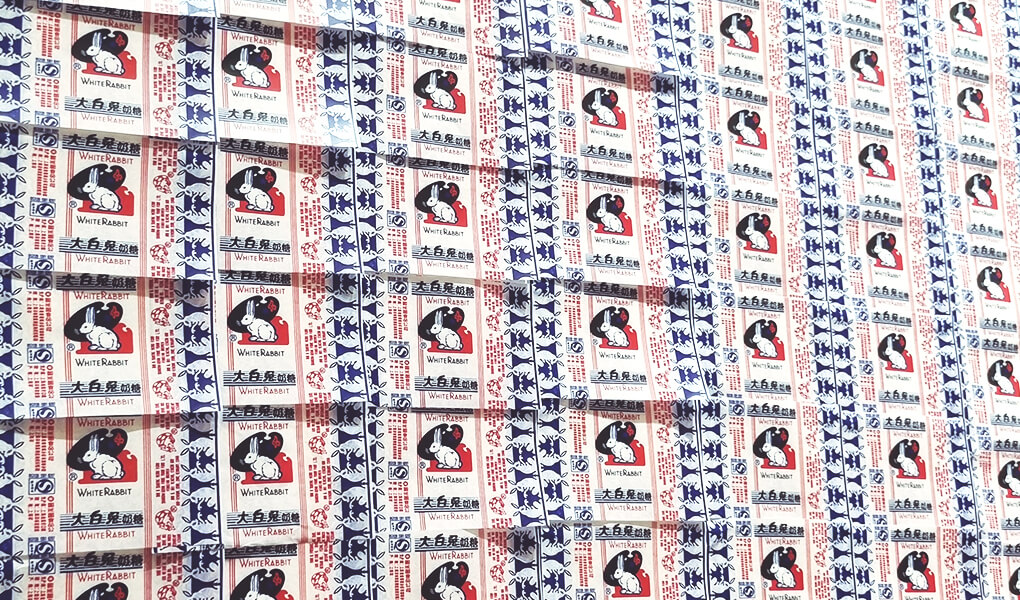
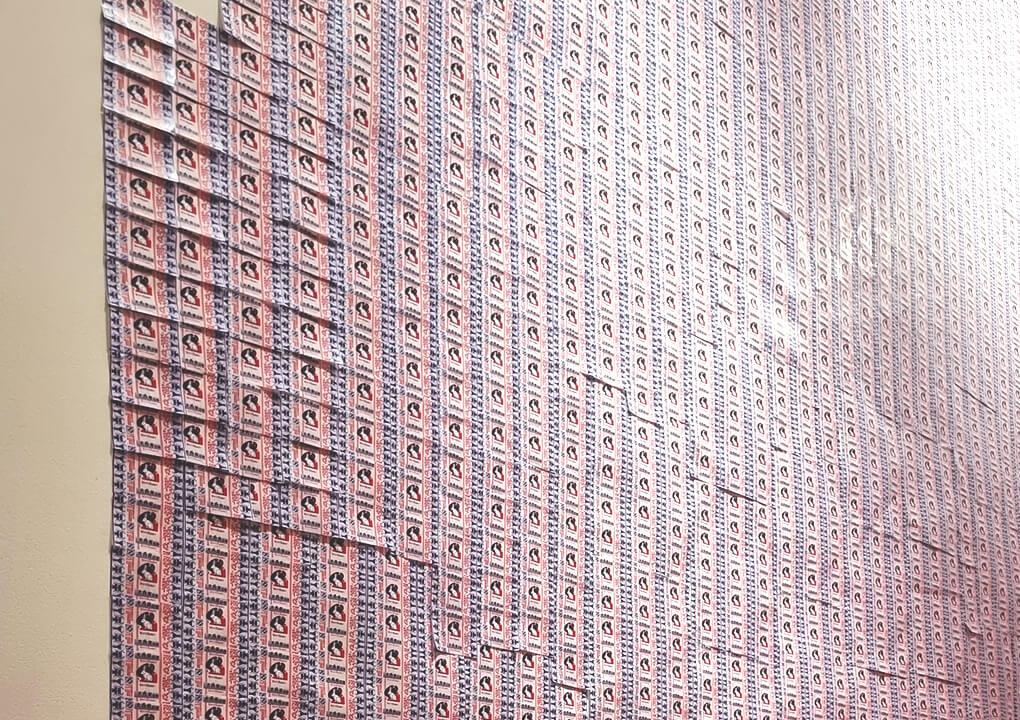
White Rabbit is made from wrappers of White Rabbit candy, the well-known Shanghainese sweet, placed one by one in neat rows. The work is quiet and almost compulsive. It holds the trace of eating, repetition, pleasure, and small physical labor. The wrapper functions as a real-world anchor. It is not a digital image or fictional projection, but a material residue from everyday life in China. At the same time, the title opens toward other passages: Alice following the rabbit, entering Wonderland, or the white rabbit as a sign of awakening into another constructed reality. The work moves between sweetness and threshold. For ZhouKe, this instance keeps the magic-realist structure grounded. The project moves through bots, avatars, surveillance systems, synthetic images, and projected identities, but White Rabbit insists on substance: sugar, paper, touch, accumulation. The digital and the mythical remain tied to small human acts of consumption and arrangement.
Study of Perspective
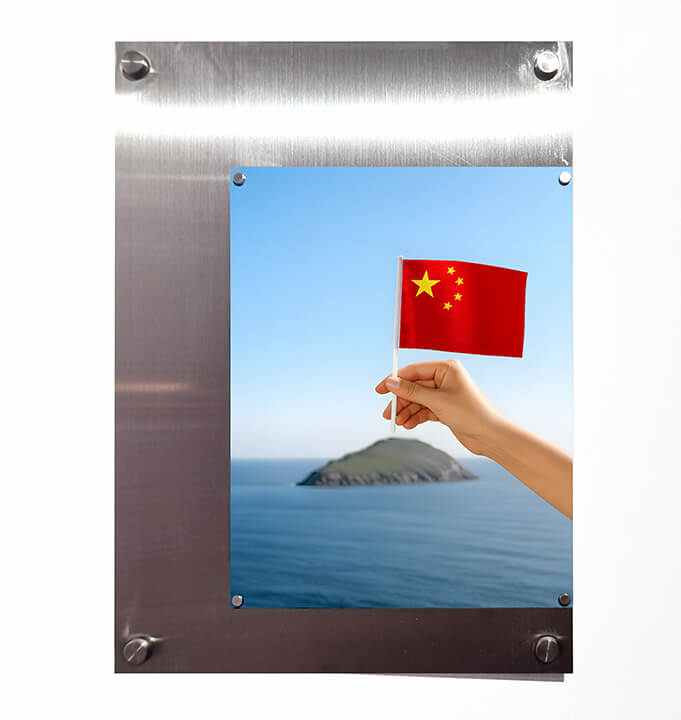
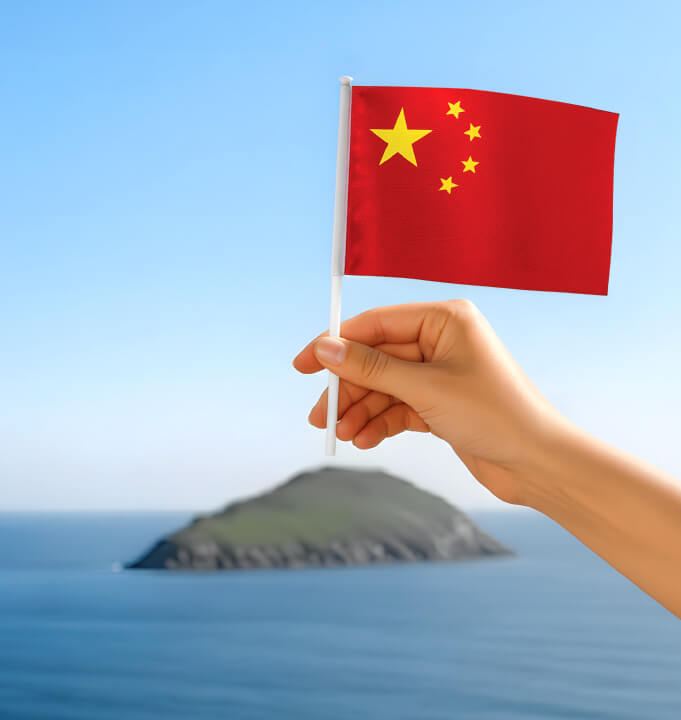
Study of Perspective shows a synthetic hand planting a flag on an island. Nothing in the image is real: no hand, no land, no event. The gesture, however, is immediately legible. A flag touches ground, and the image begins to behave like a claim. The work is an homage to Ai Weiwei’s famous series of perspectival gestures, where the hand becomes a measure of defiance, authorship, and political framing. Here the gesture has been absorbed by artificial image production. Perspective is no longer only a question of where the artist stands. It becomes a question of who, or what, is capable of generating the scene from which power appears to speak. Within ZhouKe, the image extends the landscape motif into fabricated territory. A place can be invented, rendered, circulated, and emotionally recognized before it has any physical ground. The work sits inside that uncertainty, where geopolitical imagination, technological image-making, and symbolic possession begin to overlap.
火辣川味龙肉炖汤 [Sichuan Spicy Dragon Meat Stew]
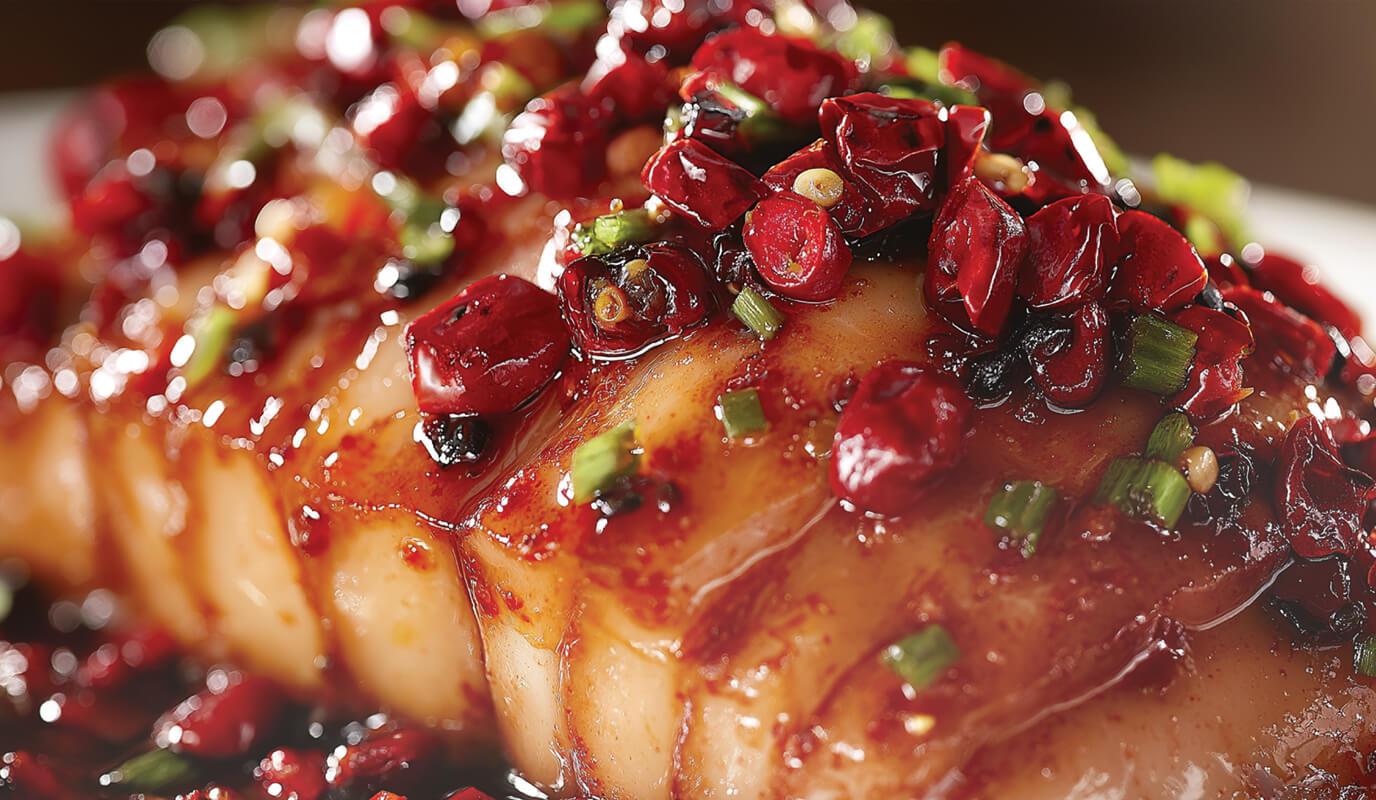
火辣川味龙肉炖汤 adopts the form of a recipe page, as if cut from a magazine or cookbook and placed in a wooden frame. The image is seductive, almost absurdly appetizing. The language of domestic instruction gives the work an immediate familiarity: ingredients, cooking time, method, taste. On the reverse side, an English version extends the object into translation, doubling the recipe as both food culture and cultural signal. The title turns the dragon into meat. The dragon may be read as nation, myth, body, mascot, protected creature, state symbol, or fantasy animal. The work does not fix the metaphor. It lets the question remain uncomfortable: what does it mean for a culture to consume its own emblem? The sardonic force of the piece lies in its calm format. A monstrous political thought appears as something prepared for the table. The number 4.22 appears like a page number, but it is not simply a page number. It acts as another coded historical nod, quietly placed inside the language of print. Like many ZhouKe works, the piece understands that censorship produces indirect speech, displaced reference, and dark humour. The recipe becomes an instruction for looking: a beautiful, ridiculous, and uneasy object in which appetite, sovereignty, species anxiety, contagion, and national myth are left to simmer.